Introduction Most cybersecurity investigations start with an alert.
This one started with curiosity.
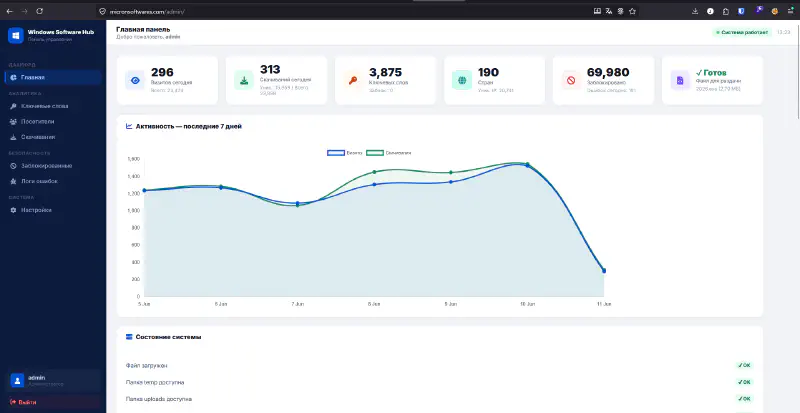
While scrolling through X (formerly Twitter), I came across a post discussing a suspicious website that appeared to be distributing software downloads. At first glance, it looked like another fake download portal. But after spending several hours investigating it, I found myself doing something I never expected:
I accidentally logged into the threat actor’s dashboard.
This article documents …
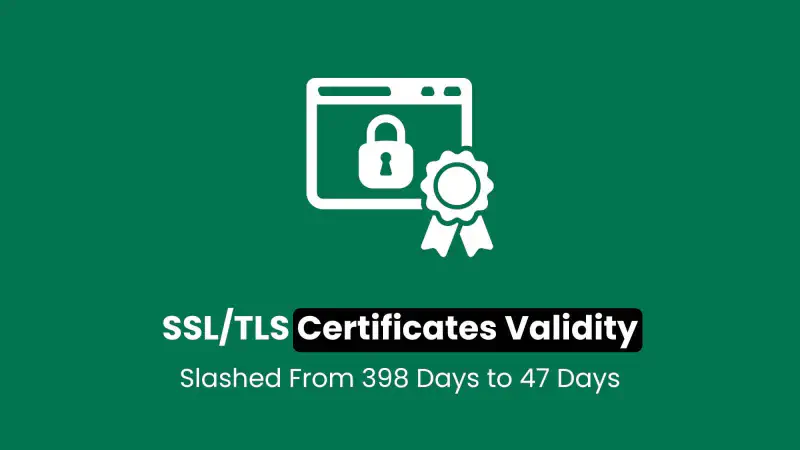
Today I was renewing one of my DigiCert TLS certificates, something I’ve done countless times before without really thinking much about it. Just another routine task sitting in the middle of emails, deployments, dashboards, and all the usual infrastructure work.
But this time, something felt off.
After the certificate was issued, I glanced at the expiration date and immediately noticed the validity period looked shorter than usual. At first I assumed I misread it, or maybe selected the wrong …
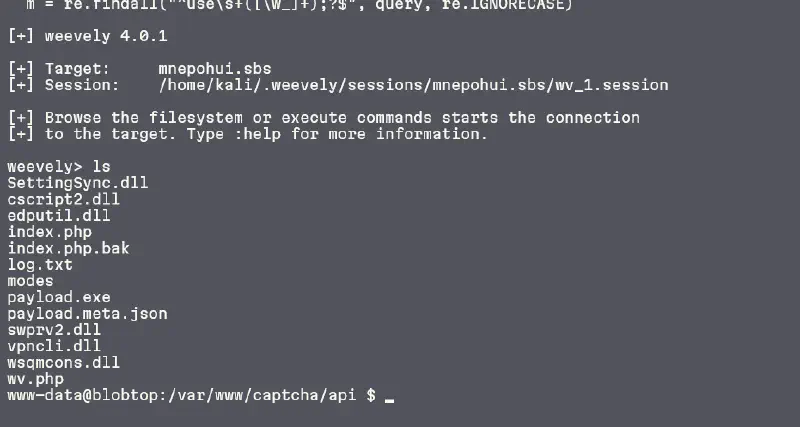
Introduction That afternoon, one of my monitoring teammates casually mentioned a new alert: “Why is this user opening a Polygon crypto website?” That immediately caught my attention and I suspected the user had accessed a website infected with ClickFix.
The suspicion became stronger because the user was not from the IT team and had no known involvement with cryptocurrency or Web3-related activities. In addition, a few days earlier we had investigated another incident where a user accidentally …
If you are running a security headers check with SecurityHeaders.com, the biggest mistake is trying to fix everything at once.
A better approach is to review each HTTP Security Header, separate the easy wins from the risky changes and then fix the headers in the right order.
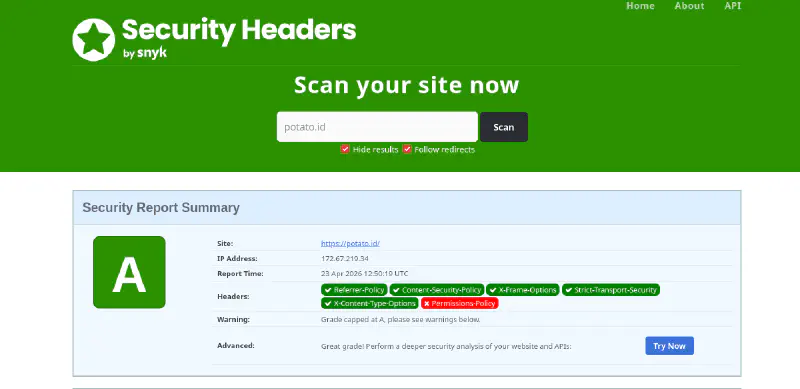
For this draft, we use the sample SecurityHeaders.com report for this website.
Site: https://potato.id/ IP Address: 172.67.219.34 Report Time: 22 Apr 2026 16:50:39 UTC Headers: - Referrer-Policy - Content-Security-Policy - …
If you are looking for the best WordPress Security Plugin, the real challenge is not finding one, it is choosing one that matches your site, your budget, and your risk level.
Good WordPress Security is not about installing every plugin that says “firewall” or “malware scanner.” In most cases, one strong plugin plus good patching habits is far better than stacking multiple overlapping tools.
This guide compares 7 popular options and gives the pros and cons of each plugin …
There is a pattern that keeps playing out. A developer or vibe coder builds an app in a short amount of time, deploys it publicly, gets traction on social media, and then a while later someone replies - the database got leaked.
Not because the developer was incompetent. Not because the technology stack was bad. But because one thing kept getting skipped when the focus was entirely on speed: security.
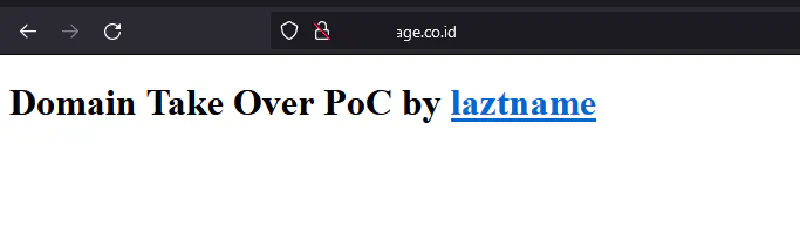
Subdomain takeover is a vulnerability that’s often underestimated, yet carries significant real-world impact. This article covers a real case of subdomain takeover via AWS Elastic Beanstalk - from the core concept and exploitation steps, to detection and prevention.
What Is Subdomain Takeover? Subdomain takeover (also known as domain takeover or domain hijacking) is a vulnerability that occurs when a domain or subdomain has an active DNS record, but the third-party service it points to has …
What Is Infatica P2B Network? Infatica P2B Network is a service from the Infatica company that operates using a peer-to-business (P2B) model.
This means: your device can be used as a proxy network node, where a small portion of your internet bandwidth is “shared” with the Infatica network or users of the service.
It is commonly used for:
Web scraping Market research Testing website access from various locations Data collection by companies Is Infatica Dangerous? Infatica is known as part of a …
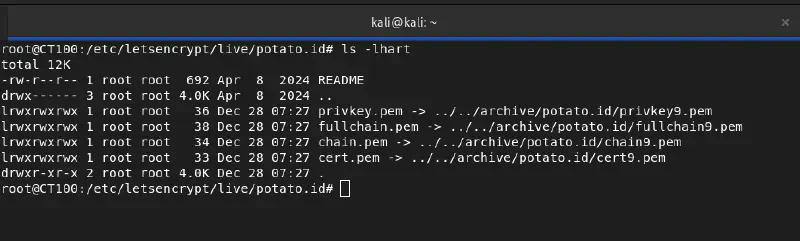
Introduction A wildcard SSL certificate allows you to secure all subdomains with just one certificate, for example “*.example.com”, “subdomain.example.com”. With the help of Let’s Encrypt, we can obtain a free and automated SSL/TLS Certificate using Certbot through the DNS challenge method. However, keep in mind that the certificate is not valid for domain names using sub-subdomains such as sub.sub.example.com.
This method is very suitable if you have setups like: …
Summary A WordPress plugin with more than 900,000 active installations is reported to have a Remote Code Execution (RCE) vulnerability with critical severity.
This vulnerability allows attackers to execute arbitrary code on the target server under certain conditions. Given the large installation scale, the potential for mass exploitation is very high.
Technical Impact A Remote Code Execution (RCE) vulnerability in a WordPress installation is one of the most critical vulnerability categories …