As usual, in the Surabaya Hacker Link group there are various challenges. Not only admins create them, but members also submit challenges, and I helped deploy this one. Not only deploying it, of course I also tried solving it :3
Without further ado, we accessed the challenge at challshl.com.
Since I was involved during deployment, I had a slight idea where the bug was located. The cool term would be white box pentest, meaning testing by reading the website source code cmiiw.
First of all, Happy Eid al Fitr 1440 H, please forgive any mistakes. Nothing in this world is perfect, including this writing.
Since the launch of the BSSN program titled V2DP or Voluntary Vulnerability Disclosure Program, many people have asked in discussion forums and social media groups about how to properly write a bug report after discovering a vulnerability. Here are a few tips from me on how to write a good report.
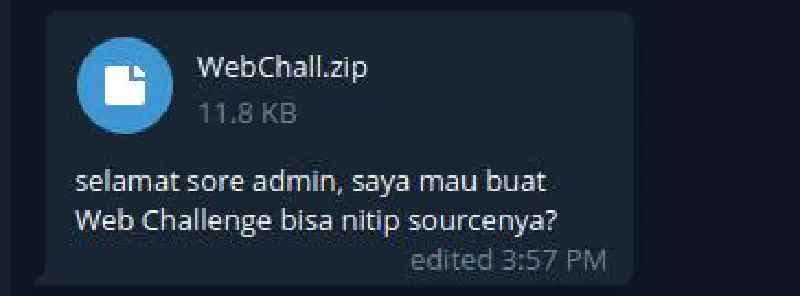
After a long time without creating a challenge, I finally decided to make a simple one.
This challenge is themed as a QR Code Generator, but the vulnerability is not in the QR Code itself. Below is a simple way to solve it.
Gathering Information Challenge Given
As usual, the challenge was posted in the Surabaya Hacker Link group. There was no clue at all, so we directly accessed the website. It turned out to be a QR Generator page with name and Instagram input fields.
After using a custom domain with GitHub Pages, I was quite happy to host on GitHub for free and use a unique workflow. However, after some time I noticed that no emails were coming from the custom domain. It turned out the mail server was not connected.
I searched the internet using the DuckDuckGo search engine but found no clear answers even after going through several pages. On GitHub Pages itself, there is no explanation about how to keep email working properly. After digging deeper, I found …
I have wanted to have my own blog and custom email for a long time. Eventually, I started blogging using WordPress. However, as a student with a limited budget, I could only afford a web.id domain which now can use .id and the cheapest hosting plan 100,000 per year at Dracoola.
After publishing several articles with WordPress, the hosting disk usage became quite large, so I stopped adding new articles and the site felt heavy to access. Since then, I took a break.
In the Surabaya Hacker Link Telegram group, I and @ytyao often create challenges such as web hacking, reversing, and others. However, in a previous challenge there was a small incident, the website was hacked. Well, the website was intentionally built to be hacked, but this hacker performed a mass wipe by deleting all files and folders. From that incident I learned something new, post incident handling, or commonly called Incident Response.
This challenge was created when I was confused about how to explain the LFI bug Local File Inclusion during a secure coding session at STTS. Since I was quite bored with LFI to Local File Read via wrapper, I searched for LFI to RCE methods other than through self/proc/environ and found LFI to RCE via Access Log Poisoning. However, because hosting environments could not read log files in txt format, a file upload feature was created that only allows txt files. Below is the Write Up.
Before getting into DOM XSS, let’s first get to know DOM, what is DOM?, needle?
DOM stands for Document Object Model, which means a hierarchical structure in an HTML document, so in HTML code there is a kind of family tree
for XSS you can read here
In the case of DOM Based XSS, the XSS payload will change HTML content through this DOM????
Example: DVWA, DOM XSS, Level:Low
There is a language selection feature, let’s check the script
after briefly discussing XSS here, even though it was a bit messy, now it’s time to discuss how to prevent this bug from existing on our website
XSS can run / be executed because of loose <script> tags that are executed / rendered by the browser, therefore we manipulate the browser so it does not execute HTML tags that are input by users. But don’t worry, we’re not going to mess with the browser, just a little handling before user input is displayed on the website
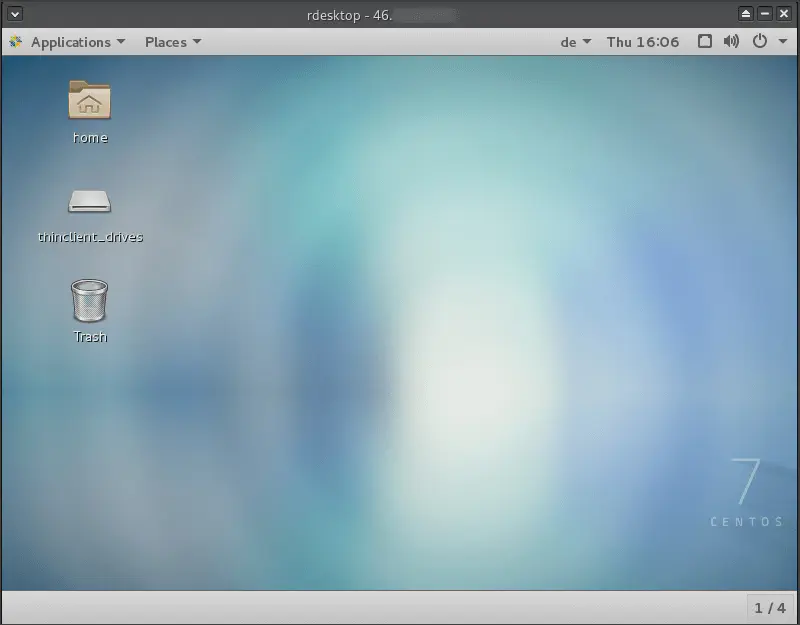
Well maybe the title is a bit click bait — SQL injection itself can’t directly inject all the way to an RDP account takeover xD
Actually the initial goal was just to download anime on moesubs.com, but when opening the website there was a URL that looked very suspicious: https://moesubs.com/?hal=dlrilisan&id=591 so I tried checking with ' and the site returned an error. After the error I balanced it using an SQL comment --+- and the page returned to normal, okay let’s continue …