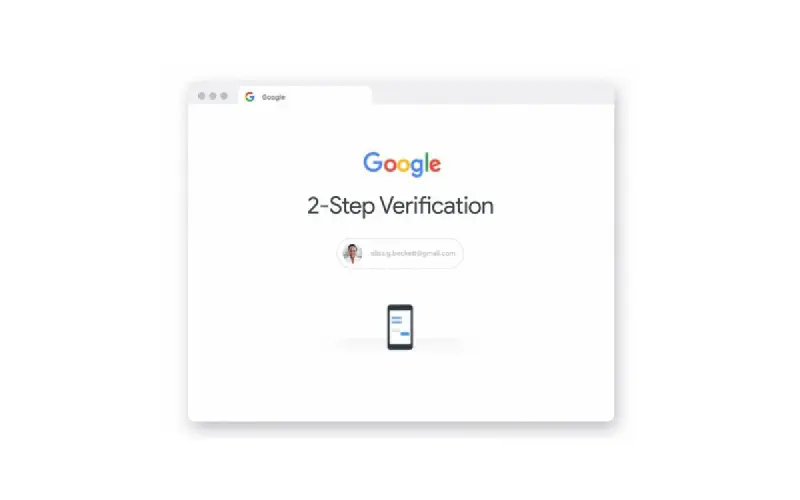
Every 39 seconds, one cyber attack occurs somewhere in the world1. Many internet users still rely on passwords as the only protection for their accounts, even though this is very risky. Therefore passwords alone are not enough and Two Factor Authentication (2FA) can save you from account theft.
Why Passwords Alone Are Not Enough? Passwords are often easy to guess, reused across many sites, or even leaked through phishing attacks and major data breaches such as those that happened at Facebook, …
In recent years, ransomware has become one of the most serious threats in the cybersecurity landscape. It no longer targets large enterprises only; cybercriminals now also target SMEs, educational institutions, and even the healthcare sector. The impact can be severe, ranging from operational disruption and loss of critical data to financial losses due to ransom payments.
Readers can see continuously updated ransomware victims on Ransomware Live. From there, we can observe that ransomware …
Overview Web phishing is one of the attack methods most frequently used by attackers. In a phishing attack, the attacker creates a fake website that imitates a legitimate website. This fake website is usually used to steal sensitive information from victims, such as login credentials, credit card information, and others.
A common perception is that phishing websites always use the HTTP protocol. However, is that really the case? Do phishing websites never use the HTTPS protocol?
Introduction Phishing is an attack carried out by influencing someone to provide personal or confidential information. This attack is usually conducted by sending fake emails that resemble official emails from certain companies or organizations. In a phishing attack, the attacker attempts to obtain sensitive information such as username, password, and even credit card information.
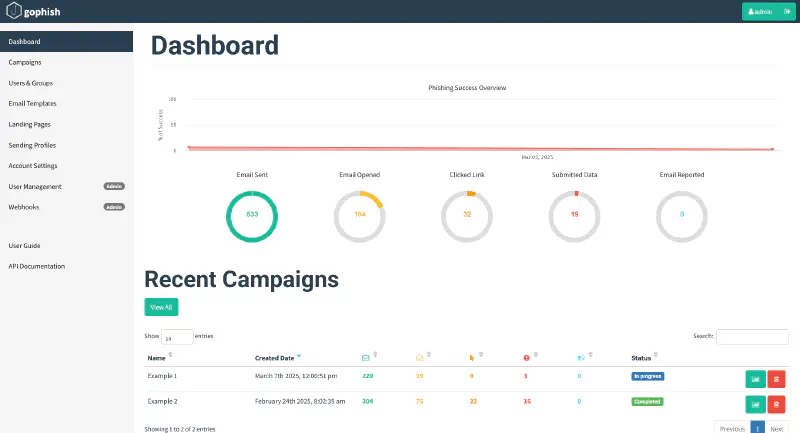
As an organization that is aware of information security, it is important for us to conduct phishing simulations …
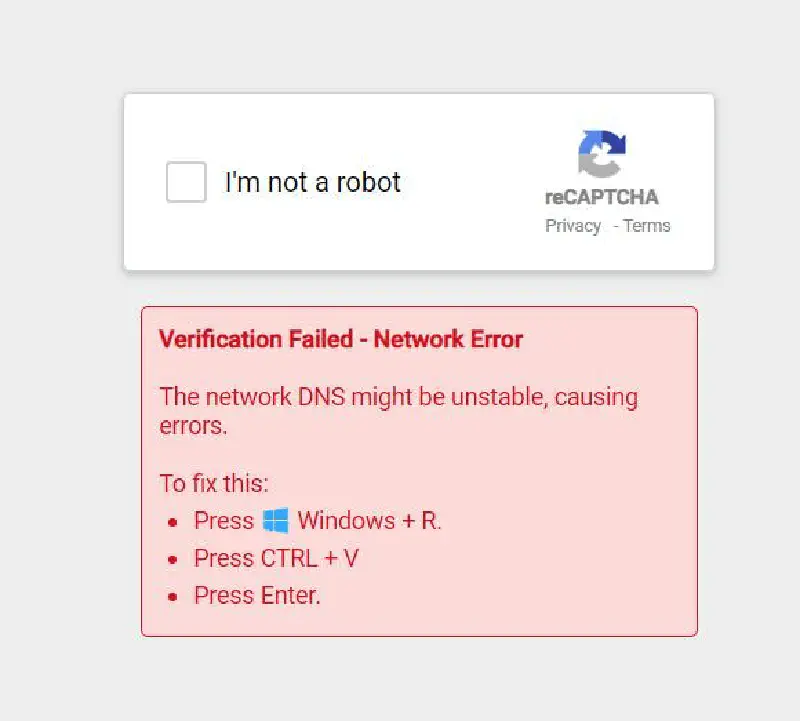
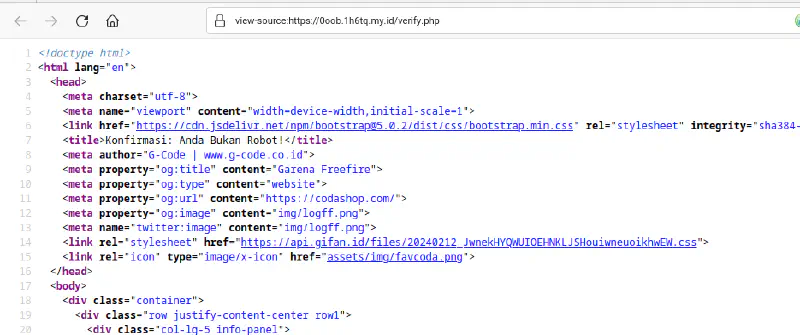
The Beginning This December I received a notification from a Facebook group that I follow. In the post (now deleted), there was a screenshot like the image above, complete with the caption: “Is this dangerous or not? Why does the captcha look strange?”
In the comments, the Thread Starter added another screenshot containing text that had to be pasted into the run.exe program as shown below
It is very clear that this is malware. mshta is a built-in Windows file whose function is to …
Phishing is an attack carried out by obtaining someone’s personal information through deception. This attack is usually performed by sending fake emails containing links to fraudulent websites that resemble legitimate ones. The goal of this attack is to steal personal information such as usernames, passwords, and credit card details.
How Phishing Works Illustration of a Phishing Attack Phishing attacks usually begin with the distribution of fake emails or social media ads such as those on …
You may have just clicked on a Phishing Ad I am tired of the ads that appear while watching reels on Facebook. Besides malware ads and online gambling ads, there are also many phishing ads targeting games like Free Fire and Mobile Legends, as well as ads inviting users to join 18+ groups. These ads are designed to steal social media account credentials and can seriously harm users.
Phishing, or password fishing, is a method widely used by threat actors to obtain access or credentials to services …